

Injury Prevention in Padel
WARM-UP, COOL-DOWN, STRETCHING AND THE IMPORTANCE OF PROPER FOOTWEAR
Padel is a fast-growing racket sport characterised by rapid changes of direction, short explosive movements, jumps, lunges and repetitive overhead strokes. While the sport is highly accessible and enjoyable for a wide range of age groups, these same characteristics place considerable stress on the ankles, knees, hips, lower back and shoulders. Research and applied sport science literature consistently show that most padel-related injuries are preventable through appropriate preparation, recovery, and equipment choices. In addition, repetitive racket strokes can place strain on the forearm tendons, contributing to lateral epicondylitis (commonly known as tennis or padel elbow), one of the most common overuse injuries in racket sports.
Research suggests padel injury rates of approximately eight injuries per 1,000 matches, with overuse injuries to the elbow and lower limb among the most common. For players participating several times per week, this highlights the importance of appropriate preparation, recovery and load management to reduce injury risk.
Research and applied sport science literature consistently show that most padel-related injuries are preventable through appropriate preparation, recovery and equipment choices.
This article provides an overview of injury prevention in padel, focusing on warm-up, cool-down, stretching, load management, and the benefits of wearing padel-specific footwear.
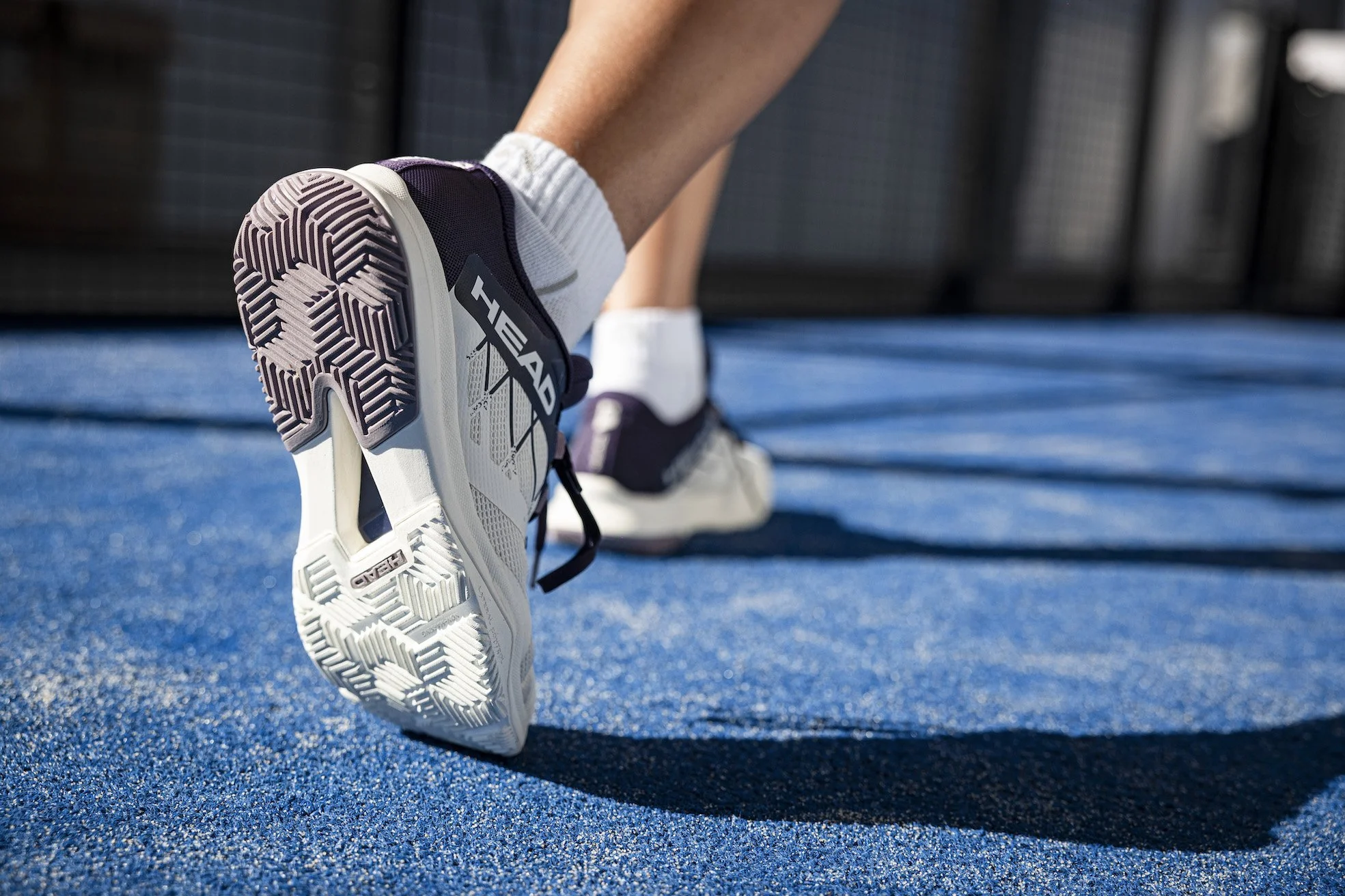
1. WARM-UP: PREPARING THE BODY FOR PADEL DEMANDS
A structured warm-up is one of the most effective strategies for reducing injury risk in racket sports. The primary goals of warming up are to:
• Increase muscle temperature
• Improve joint mobility
• Enhance neuromuscular coordination
• Prepare the body for sport-specific movements
In padel, failing to warm up properly has been associated with a higher risk of muscle strains, ankle sprains and shoulder injuries, particularly during sudden accelerations or overhead shots.
Recommended Warm-Up Structure (15–20 minutes)
1.1. General Activation (5 minutes)
Light jogging or brisk walking
Side shuffles and gentle changes of direction
Skipping or low-intensity agility movements
This phase increases heart rate and blood flow, allowing muscles and tendons to become more elastic and responsive.
1.2. Dynamic Mobility (5–7 minutes)
Dynamic movements are preferred over static stretching before play, as they maintain muscle power output while improving range of motion.
Examples include:
Arm circles and shoulder rotations
Trunk rotations and torso twists
Walking lunges with rotation
High knees and heel-to-glute movements
1.3. Padel-Specific Activation (5–8 minutes)
Lateral movements and split-step drills
Short accelerations and decelerations
Progressive hitting drills starting at low intensity
This phase activates the movement patterns and coordination required during match play and is particularly important for ankle and knee stability.
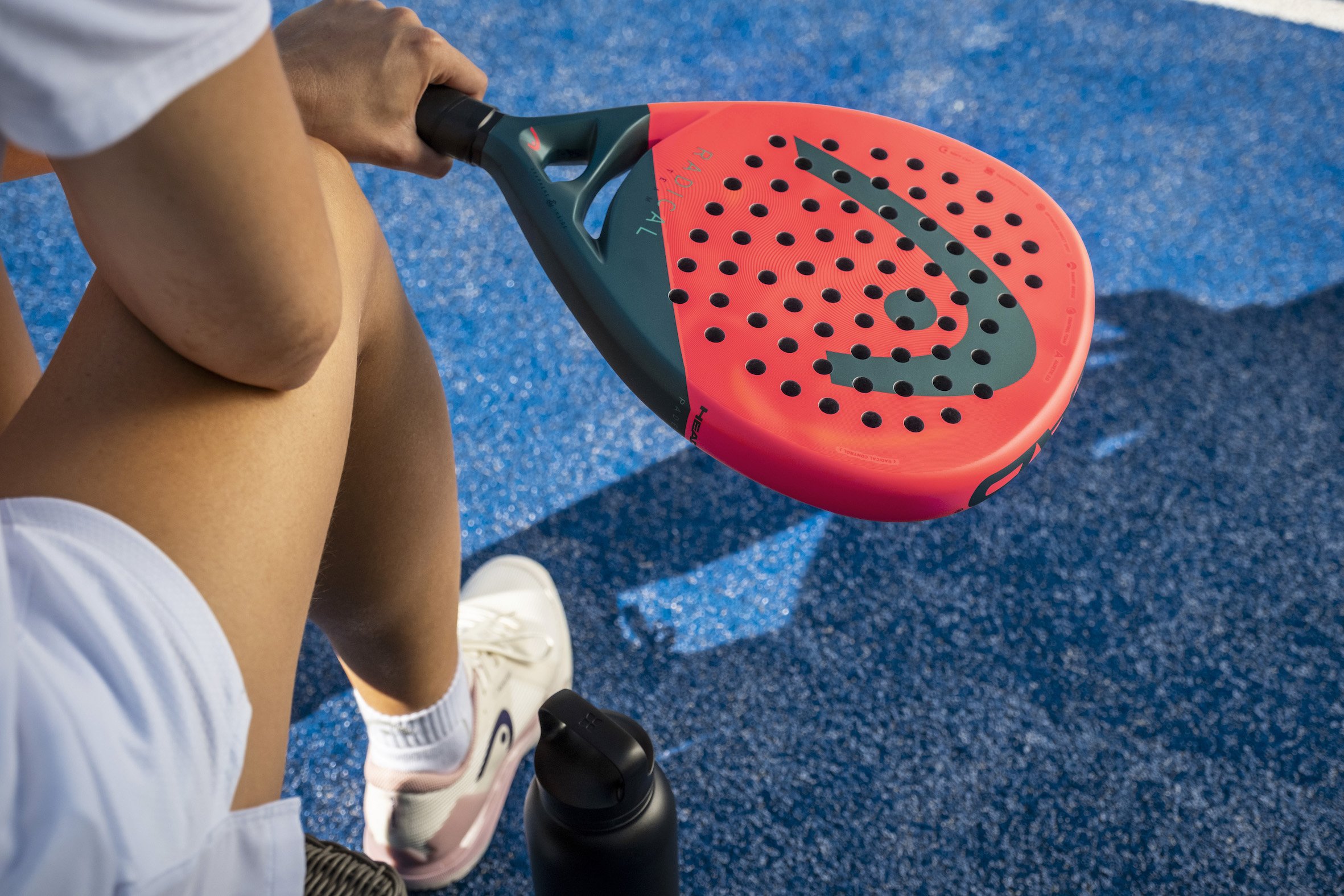
2. COOL-DOWN: SUPPORTING RECOVERY AFTER PLAY
Cooling down after padel sessions is essential for facilitating recovery and reducing post-exercise muscle soreness and stiffness. A proper cool-down helps the cardiovascular system gradually return to resting levels and promotes circulation to aid metabolic waste removal.
Effective Cool-Down Routine (10–15 minutes)
2.1. Gradual Reduction in Intensity (5 minutes)
Slow walking around the court
Light cycling or gentle movement
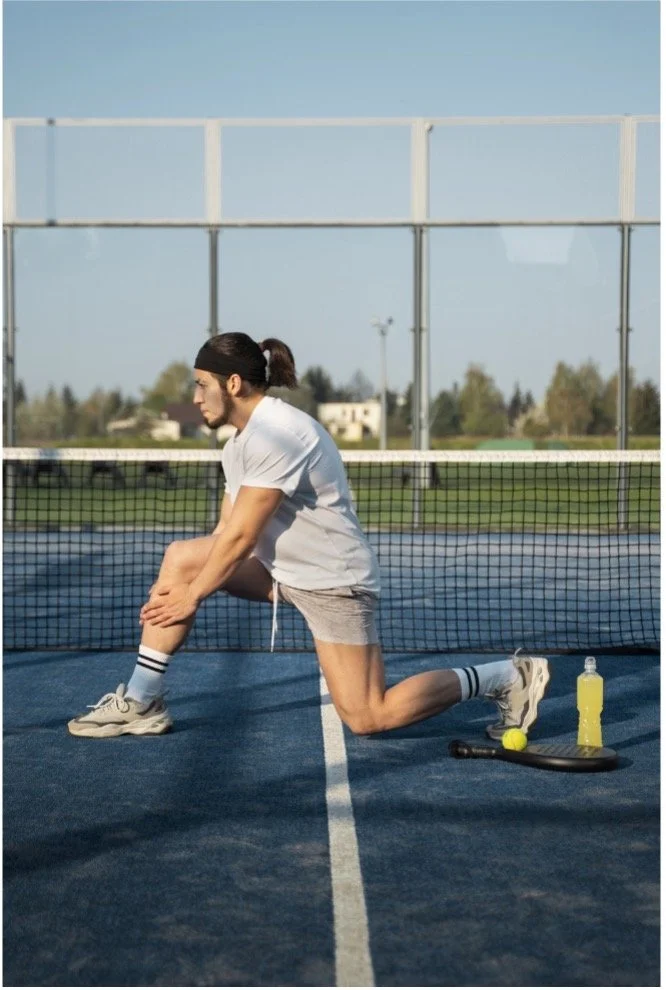
2.2. Static Stretching (5–10 minutes)
Static stretching is best performed after play, when muscles are warm.
Key muscle groups to stretch include:
Calves and Achilles tendon
Hamstrings and quadriceps
Hip flexors and gluteal muscles
Lower back
Shoulders, chest and forearms
Each stretch should be held for 20–30 seconds, without bouncing or pain.
Regular cool-down routines are associated with improved flexibility, reduced muscle tightness, and better readiness for subsequent training sessions.
3. STRETCHING AND STRENGTH TRAINING FOR INJURY PREVENTION
While stretching improves flexibility, injury prevention in padel also requires adequate strength and stability, particularly around frequently stressed joints.
Key Areas to Target
Ankles and lower legs: balance exercises, calf strengthening, proprioception drills
Knees and hips: squats, lunges, hip stabilisation exercises
Core muscles: planks, rotational stability exercises
Shoulders and forearms: rotator cuff strengthening, scapular stability work and forearm conditioning to help reduce the risk of overuse injuries such as padel elbow
Improved muscular strength and joint stability reduce excessive joint loading and help absorb forces generated during rapid changes of direction and overhead strokes.

4. THE IMPORTANCE OF PROPER PADEL FOOTWEAR
Footwear plays a critical role in both performance and injury prevention in padel. Using inappropriate shoes is a major risk factor for ankle sprains, slips, and overuse injuries.
Why Padel-Specific Shoes Matter
Padel courts are typically made of artificial turf with sand infill, requiring a balance between grip and controlled sliding. Padel shoes are specifically designed to meet these demands.
Key benefits include:
Optimised outsole patterns (often herringbone or mixed designs) that provide reliable traction without excessive grip
Enhanced lateral support to stabilise the foot during side-to-side movements
Improved cushioning systems to absorb impact forces and reduce stress on joints
Reinforced uppers to withstand frequent lateral loading
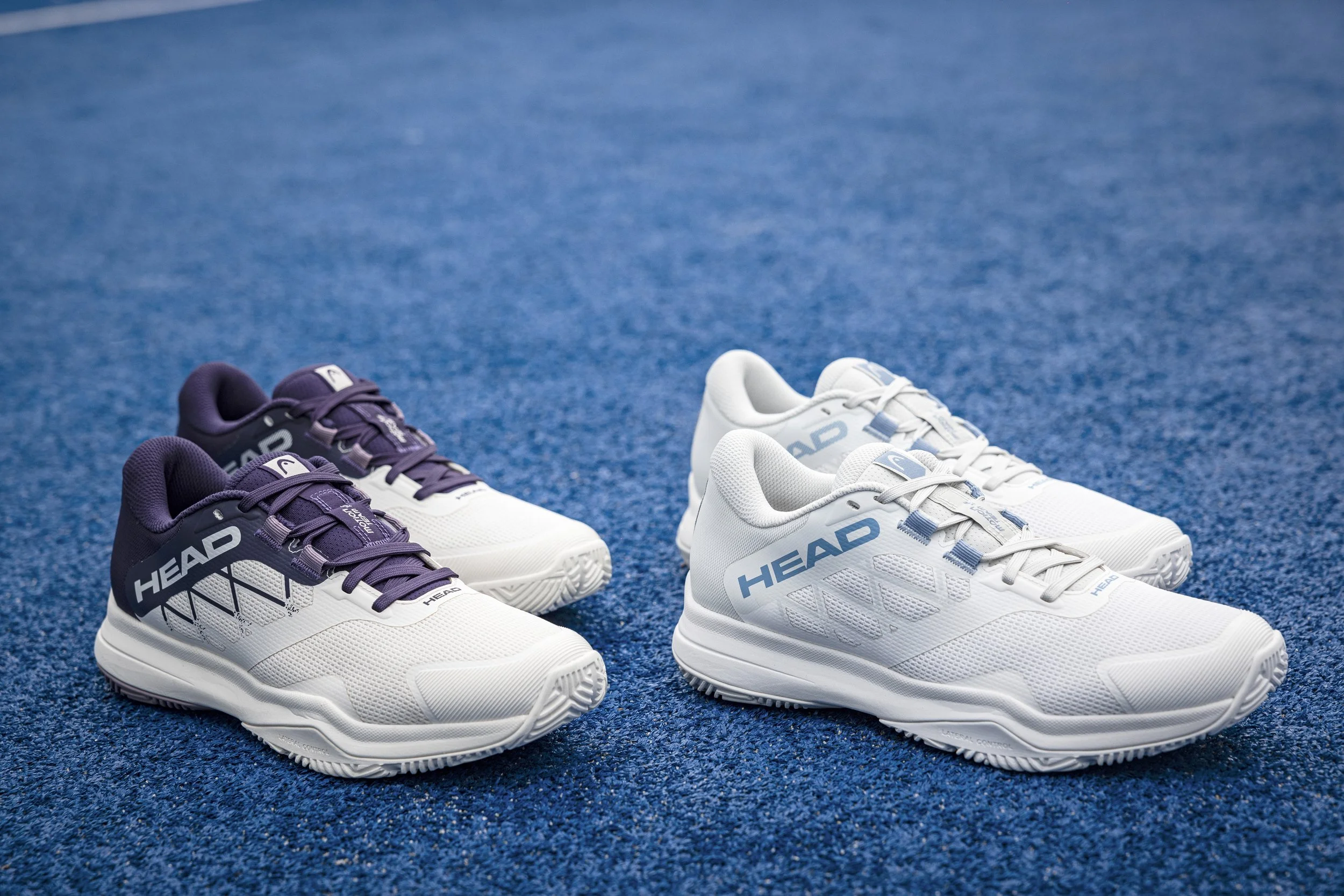
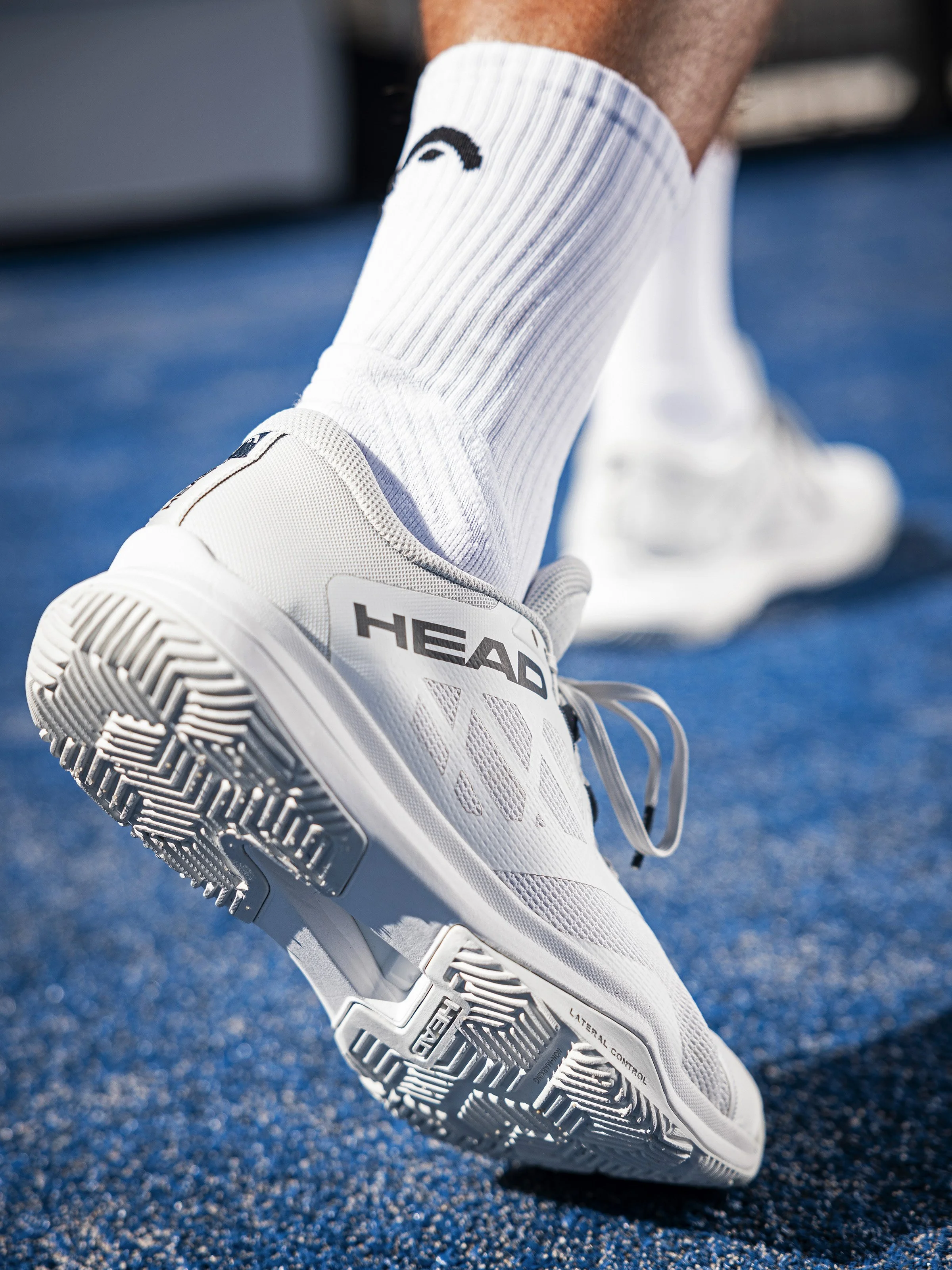
In contrast, generic running or training shoes are designed primarily for forward motion and lack the lateral stability required for padel, significantly increasing injury risk.
5. LOAD MANAGEMENT AND PLAYING FREQUENCY
Another important factor in injury prevention is managing overall playing load. Padel involves repeated high-intensity efforts, and excessive play without adequate recovery can lead to overuse injuries, particularly in the elbow, shoulder and Achilles tendon.
In padel, repetitive movements and overuse - particularly repeated gripping and wrist extension when striking the ball - can overload the forearm tendons and increase the risk of padel elbow. This may occur across a range of strokes during play and can be influenced by factors such as playing frequency, total training volume, technique, and equipment.
This is particularly relevant for new players, older adults, and individuals returning to sport after inactivity, but applies to all players who participate frequently.
Practical recommendations include:
Gradually increasing playing frequency and duration
Scheduling rest or low-intensity days
Paying attention to early warning signs such as persistent soreness or fatigue
If pain or discomfort persists, players should seek advice from a qualified physiotherapist or healthcare professional experienced in racquet sports.
CONCLUSION
Injury prevention in padel requires a comprehensive approach that combines:
Structured warm-up routines
Consistent cool-down and stretching practices
Targeted strength and stability training
Appropriate load management
The use of padel-specific footwear
By adopting these strategies, players can significantly reduce injury risk, enhance performance, and enjoy padel in a safer and more sustainable way.
Quick warm-up before playing
A short dynamic warm-up helps increase blood flow, activate the joints used in padel and reduce injury risk.
The routine below prepares the shoulders, upper back, hips and legs before stepping onto the court.
Quick cool-down after playing
A short cool-down helps gradually lower heart rate, release muscle tension and support recovery after play.
The routine below focuses on the shoulders, back, hips and legs to improve flexibility, reduce stiffness and assist with post-match recovery.